
Blank Skateboard Decks – The Complete Guide

Blank skateboard decks are a core part of modern skateboarding.. From street skaters and park riders to artists, skate shops, and DIY builders, blank decks are used worldwide for their simplicity, performance, and versatility.

This site exists to document everything about blank skateboard decks—how they’re made, how they differ from branded decks, how to choose the right size and concave, and what actually matters when it comes to quality. Whether you skate, sell, print, or build decks, this guide covers it all.

What Is a Blank Skateboard Deck?

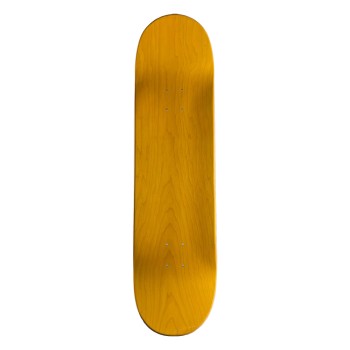
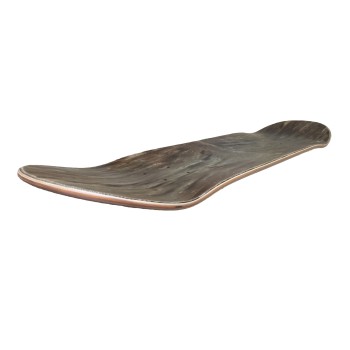
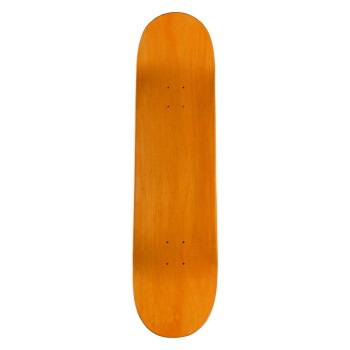
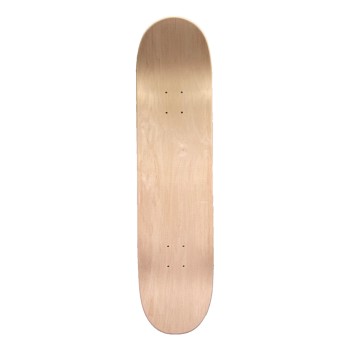
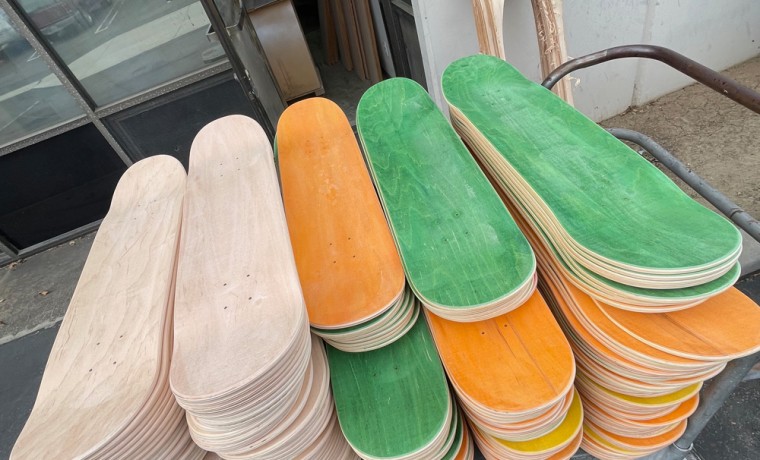
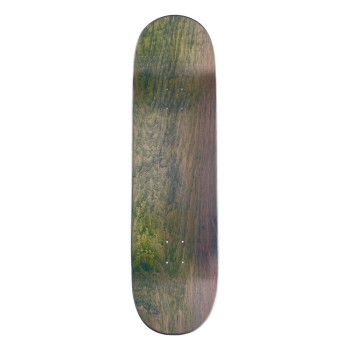
A blank skateboard deck is a skateboard deck without graphics or branding applied to the top or bottom. Structurally, a blank deck is built the same way as most branded decks—using layered wood plies, pressed into shape, and cut to size.

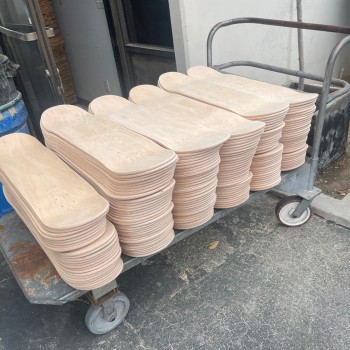
The term “blank” refers only to the absence of graphics, not a lack of quality. Many blank skateboard decks are produced in the same factories, using the same materials and molds, as well-known branded decks.

Blank decks are popular because they:

  • Focus purely on performance
  • Cost less than graphic decks
  • Are ideal for custom artwork or printing
  • Are widely used by skate shops and private labels

Below, you’ll find a complete breakdown of blank skateboard deck construction, sizes, concave types, manufacturing methods, and how to choose the right deck for your needs.

Blank Skateboard Decks vs Branded Decks

The primary difference between blank skateboard decks and branded decks is graphics and branding—not performance.

FeatureBlank DecksBranded Decks
GraphicsNoneProfessionally printed
PerformanceSame (if same construction)Same
CostLowerHigher
CustomizationIdeal for printing and artLimited
BrandingNoneBrand identity


Many skaters ride blank decks without any noticeable difference in feel, pop, or durability, especially when the decks are made using the same materials, molds, and pressing methods.

Common Blank Skateboard Deck Sizes

Deck width plays a major role in how a skateboard feels and performs.

Typical blank skateboard deck widths include:

  • 7.75" – 8.0": technical street skating
  • 8.0" – 8.25": all-around versatility
  • 8.25" – 8.5": transition, park, and added stability
  • 8.5"+: cruising, bowls, and old school setups

Choosing the right deck size depends on riding style, shoe size, and personal preference—not branding.

Who Uses Blank Skateboard Decks?

Blank skateboard decks are used by a wide range of people across the skateboarding industry and beyond. Their versatility, consistency, and lack of branding make them suitable for many different purposes. Skaters

  • Street, park, and transition skaters
  • Riders who prioritize performance over graphics
  • Skaters who prefer consistent shapes and concave

Many skaters choose blank decks because they offer the same construction and performance as branded decks without added cost or visual branding. Artists and Designers

  • Custom deck graphics and artwork
  • Screen printing and hand-painted designs
  • Wall art and display pieces

Blank decks provide a clean surface for creative work and are commonly used in both personal and commercial art projects. Skate Shops and Private Labels

  • Shop-branded skateboard decks
  • Limited-run or custom graphics
  • Consistent deck molds for resale

Many skate shops use blank decks as the foundation for private-label products, allowing them to control design and pricing while maintaining quality. DIY Builders and Educators

  • Custom shaping and pressing experiments
  • Skateboard workshops and classes
  • Educational programs and maker spaces

Blank decks are commonly used in educational settings because they clearly demonstrate deck construction without distractions. Collectors and Display Uses

  • Minimalist or unbranded collections
  • Decorative and display purposes
  • Design-focused installations

Some collectors and designers prefer blank decks for their simplicity and versatility in non-skating applications.

How Blank Skateboard Decks Are Made

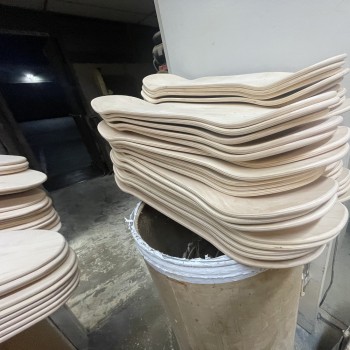
Most blank skateboard decks are manufactured using the same core processes as branded decks. The quality of a blank deck depends on materials, pressing methods, and quality control—not graphics or branding. While details vary by manufacturer, the basic process follows a consistent sequence. Wood Selection and Veneer Preparation

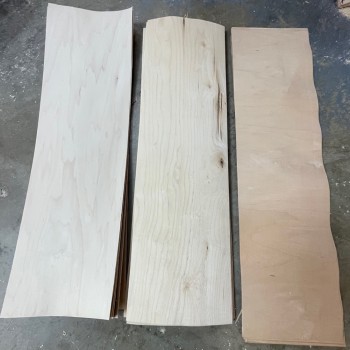
  • Most blank skateboard decks are made from hard rock Canadian maple
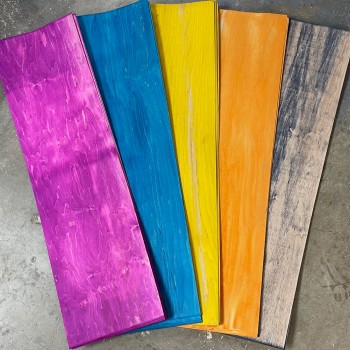
  • Thin maple veneers are cut and dried to precise moisture levels
  • Consistent veneer quality is critical for strength and durability

Maple is used because of its strength-to-weight ratio, flexibility, and ability to hold its shape under repeated impact. Layering and Glue Application

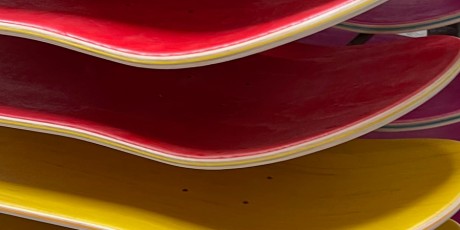
  • Veneers are stacked, typically in a 7-ply configuration
  • Each layer is coated with wood glue or epoxy
  • The grain direction of each ply is alternated for strength

The type of adhesive and how evenly it is applied play a major role in deck longevity and pop. Pressing the Deck

  • The stacked veneers are placed into a deck mold
  • Pressure is applied using a hydraulic or mechanical press
  • Heat or cold pressing methods may be used depending on the factory

This step defines the deck’s concave, shape, and overall feel. The mold used during pressing is one of the biggest factors that separates different deck profiles. Cutting, Shaping, and Drilling

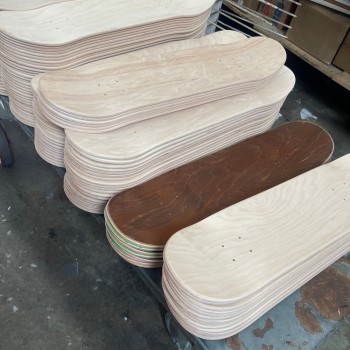
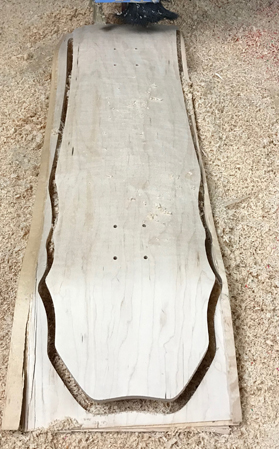
  • Pressed deck blanks are cut to their final outline
  • Nose and tail shapes are refined
  • Truck mounting holes are drilled with precision

Accurate drilling ensures proper truck alignment and consistent performance. Sanding and Finishing

  • Deck surfaces are sanded smooth
  • Edges are rounded
  • The top is prepared for grip tape or printing

At this stage, branded decks receive graphics, while blank decks remain unprinted. Quality Control

  • Decks are inspected for warping, delamination, or defects
  • Weight and flex consistency may be checked
  • Only decks meeting specifications move forward

A well-made blank deck will perform just as reliably as a branded deck produced using the same materials and molds. Why This Matters Understanding how blank skateboard decks are made helps explain why graphics do not determine performance. Construction quality, materials, and manufacturing consistency are what truly affect strength, pop, and feel.

Types of Blank Skateboard Decks

Blank skateboard decks are available in several common shapes and styles, each designed for different riding preferences and uses.

Standard Popsicle Blanks

  • Symmetrical shape
  • Most common for street and park skating
  • Available in many widths and concaves

Shaped & Old School Blanks

  • Wider noses or tails
  • Directional shapes
  • Often used for transition, cruising, or retro setups

Custom Pressed Blank Decks

  • Made to specific dimensions or concave profiles
  • Used by shops, artists, and private labels

Skateboard Deck Concave Types

Concave refers to the curve of a skateboard deck from edge to edge and from nose to tail. While concave may look subtle, it has a major impact on board control, comfort, and how a deck responds during tricks.

Blank skateboard decks are available in several common concave profiles, depending on the mold used during pressing.


Low Concave

  • Flatter deck with less curvature
  • More stable feel underfoot
  • Often preferred for cruising, transition, or technical balance

Low concave decks offer a comfortable, predictable ride and are often chosen by skaters who prioritize stability over aggressive responsiveness.


Medium Concave

  • Balanced curvature
  • Most common concave type
  • Works well for street, park, and all-around skating

Medium concave is considered the most versatile option and is commonly found on standard popsicle-style blank decks.


High Concave

  • Deeper curvature from edge to edge
  • Increased board control and responsiveness
  • Often preferred for flip tricks and technical street skating

High concave decks provide a more locked-in feel but may feel less forgiving for beginners or casual riders.


Choosing the right concave comes down to personal preference and riding style rather than brand or graphics. Many skaters experiment with different concave types before settling on what feels best.